
In the fast-paced world of digital marketing, PPC—or Pay-Per-Click advertising—remains one of the most powerful tools for driving targeted traffic and measurable results. As we step into 2025, the digital advertising landscape has become more competitive, more intelligent, and more essential than ever for businesses looking to grow online.
What Is PPC?
PPC is a digital advertising model where advertisers pay a fee each time their ad is clicked. Instead of earning visits organically through search engine optimization (SEO), PPC allows businesses to buy visits by placing ads on platforms like Google Ads, Bing Ads, Facebook, LinkedIn, and even emerging channels like TikTok and Amazon.
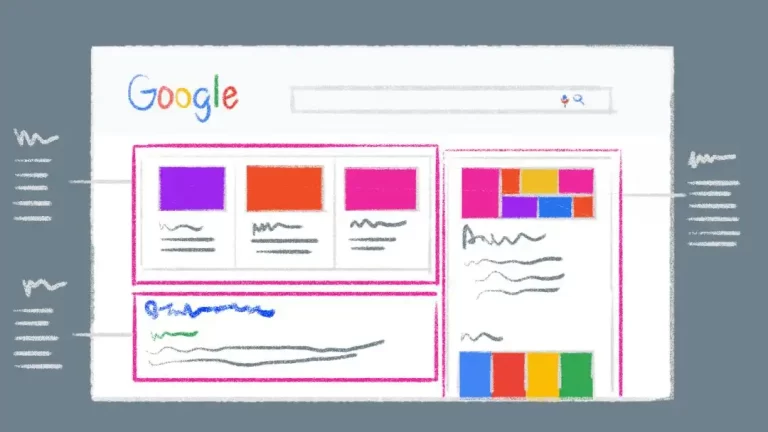
The most well-known form of PPC is search advertising. When someone types a keyword into Google, the top results are often ads. These paid placements are based on a bidding system, where advertisers compete for ad space by choosing relevant keywords and setting a budget.
But PPC has evolved. It now includes display ads, video ads, shopping ads, and remarketing campaigns—all designed to target users with high intent or strong interest in your offerings.
Why PPC Still Matters in 2025
Many predicted that PPC would fade as organic strategies took center stage. But in 2025, the opposite is true. PPC has not only remained relevant—it has become more essential. Here’s why:
1. Instant Visibility in a Crowded Market
With millions of businesses competing online, organic rankings can take months to climb. PPC offers immediate placement at the top of search results or in front of targeted audiences on social media. For new businesses or time-sensitive campaigns, this is a game-changer.
2. Smarter Targeting with AI and Machine Learning
Thanks to advanced AI, PPC platforms in 2025 offer highly refined targeting capabilities. You can now deliver ads based on search behavior, location, device type, demographics, and even real-time intent. Platforms like Google Ads use machine learning to automatically adjust bids and placements for better performance—helping advertisers spend smarter.
3. Full-Funnel Marketing Opportunities
PPC isn’t just for driving clicks to a landing page. It’s now used across the entire customer journey—from awareness to conversion and even retention. Video ads on YouTube introduce your brand, display ads remarket to interested users, and search ads capture bottom-of-the-funnel conversions. It’s an integrated strategy, not a one-trick pony.
4. Measurable ROI
Unlike many traditional advertising methods, PPC provides crystal-clear data. You can track every click, conversion, and dollar spent. This transparency allows businesses to make fast, informed decisions and optimize campaigns continuously. In 2025, with rising marketing costs, that level of accountability is crucial.
5. Voice and Visual Search Integration
With the growth of smart assistants and visual search tools, PPC campaigns now extend beyond the keyboard. Businesses are adapting their ads for voice-based queries and image-based product searches, creating more accessible and personalized ad experiences.
How to Make PPC Work for You
The key to success with PPC in 2025 isn’t just setting up a campaign and letting it run. It requires strategy, constant optimization, and a deep understanding of your audience. Businesses that thrive in PPC today are those that blend creativity with data, leverage automation without sacrificing human insight, and continuously test new ad formats.
Whether you’re a local business looking to drive foot traffic or an eCommerce brand aiming for global sales, PPC gives you the power to reach your goals faster and more efficiently than ever.
Final Thoughts
PPC advertising is no longer just a quick traffic fix—it’s a foundational part of modern digital marketing strategy. In 2025, it plays a vital role in how businesses reach new audiences, drive conversions, and compete in an increasingly noisy digital space.
If you’re not using PPC, you’re likely leaving money—and customers—on the table.